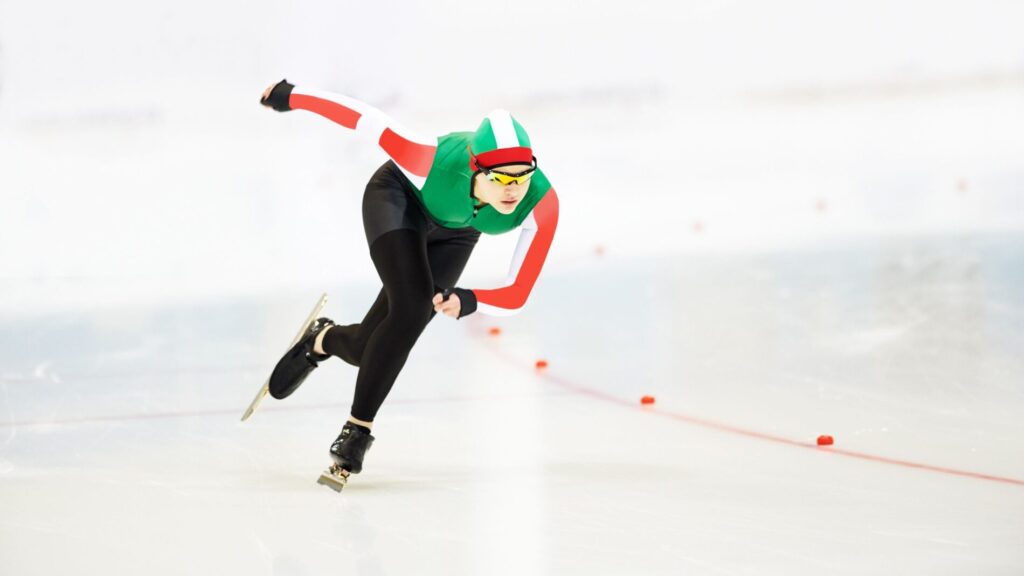
The world has turned its eyes to Northern Italy as the XXV Olympic Winter Games (Milano Cortina 2026) take center stage. Running from February 6 to February 22, 2026, this edition is making history by spreading the magic across a record-breaking 22,000 square kilometers—from the fashion-forward streets of Milan to the jagged peaks of the Dolomites.
Whether you’re watching from the couch or lucky enough to be slopeside, here is everything you need to know about this historic Italian Games.
A Tale of Two Cities (and Many Mountains)
For the first time, the Winter Games are officially hosted by two cities: Milan and Cortina d’Ampezzo. But the action doesn’t stop there. The “multi-centered” approach utilizes existing world-class venues across Lombardy and Veneto:
- Milan: The urban heart, hosting ice hockey, figure skating, and short-track speed skating. The iconic San Siro Stadium held a breathtaking Opening Ceremony on February 6.
- Cortina d’Ampezzo: Known as the “Queen of the Dolomites,” it’s the hub for women’s Alpine skiing, bobsleigh, luge, and curling.
- Bormio & Livigno: These mountain towns are the playground for men’s Alpine skiing and the high-flying world of freestyle skiing and snowboarding.
- Anterselva (Antholz): The traditional home of Biathlon.
- Verona: The historic Verona Arena will host the Closing Ceremony on February 22, bringing a Roman touch to the winter festivities.
Meet the Stars: Tina and Milo
This year’s mascots are two adorable stoat siblings who perfectly capture the Italian spirit:
- Tina (the white stoat): Named after Cortina, she represents the Olympics. She’s a creative soul who believes that beauty can transform the world. Her motto? “Dream Big!”
- Milo (the brown stoat): Named after Milano, he represents the Paralympics. Born without one paw, Milo uses his tail to navigate and proves that “Obstacles are trampolines.”
What’s New in 2026?
The IOC has introduced several exciting changes to keep the Games fresh and inclusive:
- Ski Mountaineering (Skimo): Making its grand Olympic debut! Athletes race uphill and downhill on skis, often carrying them on their backs during steep climbs.
- Gender Balance: This is the most gender-balanced Winter Games in history, with female participation reaching a record 47%.
- New Events: Look out for the first-ever Dual Moguls in freestyle skiing and a Women’s Large Hill individual event in ski jumping.
Key Moments to Watch
As we head into the final week of competition, keep an eye on these highlights:
| Event | Location | Why It Matters |
| Figure Skating | Milan | The “Ice Dance” battles are always a fan favorite in the Mediolanum Forum. |
| Men’s Slalom | Bormio | The Stelvio track is one of the most technical and “icy” runs on the circuit. |
| Women’s Curling | Cortina | Italy is defending their surging reputation in this “chess on ice.” |
| Closing Ceremony | Verona | A spectacular transition as the flame is handed over to the 2030 hosts. |
A Finale to Remember
As the sun sets over the Dolomites and the lights of Milan flicker to life, the 2026 Games are proving to be a masterclass in Italian hospitality and sporting excellence. With over 116 medal events drawing to a close, we’ve witnessed more than just podium finishes—we’ve seen the debut of Ski Mountaineering, record-breaking runs on the Stelvio, and a historic focus on sustainability that will leave these venues thriving for decades to come.
Whether you’re cheering for the speed of the short-track or the precision of the curling stones, Milano Cortina has reminded us why the world falls in love with the Winter Games every four years. From the roar of the San Siro to the ancient echoes of the Verona Arena, these Games haven’t just been about the gold—they’ve been about the “Spirit of Italy.”